



A Weekend in a Working Harbor Town
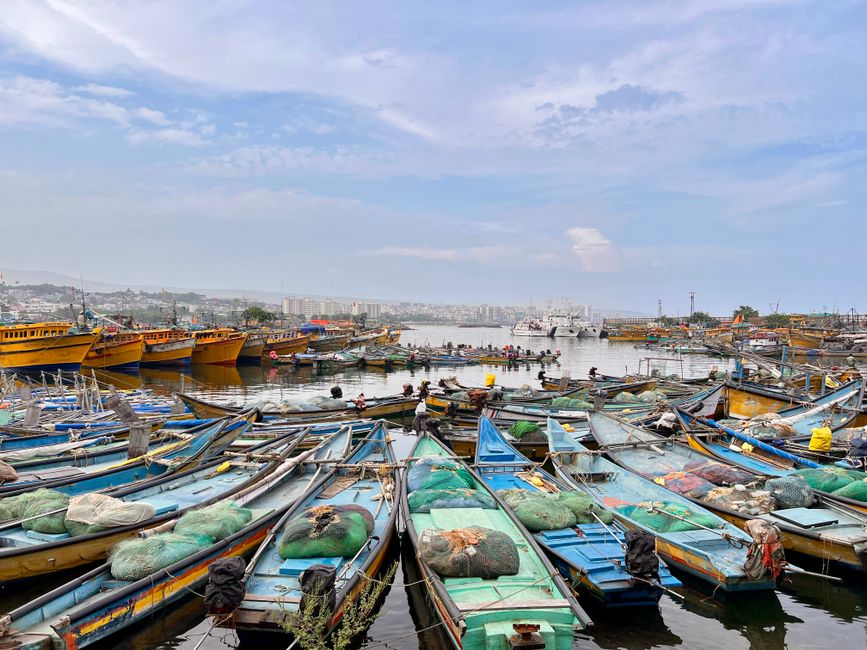
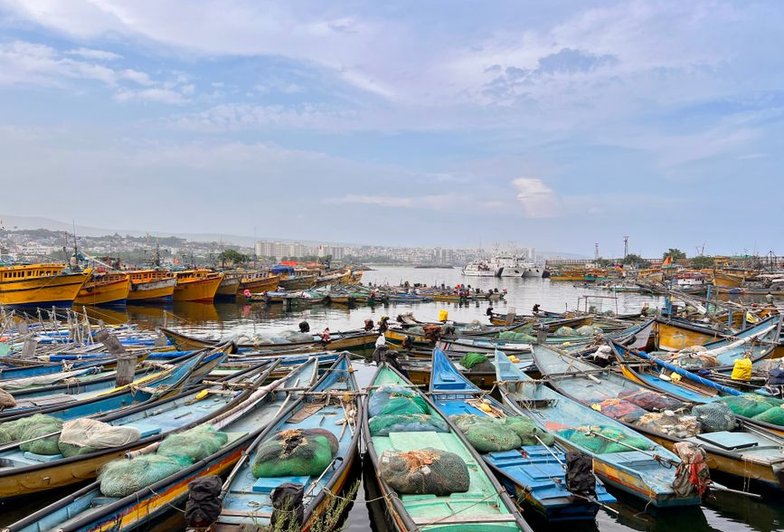
Some coastal towns exist for visitors. Others exist because people live there, and the visitors are a side effect. If you have a choice, pick the second kind. A working harbor town will not have a boardwalk with a Ferris wheel or a shop selling seashell wind chimes on every corner. What it will have is a genuine sense of place, and that is worth more than any amount of manufactured charm.
I spent a recent weekend in a small harbor town on a stretch of coast where the main industry is still fishing, though tourism is creeping in around the edges. The experience was, in the best way, not designed for me. That turned out to be the point.
What a Working Harbor Offers
The first thing you notice is the rhythm. Boats leave early, often before light, and return in the afternoon with their catch. The harbor fills and empties like a tide of its own. If you sit on a bench near the docks for an hour, you will see more real life than a week at a resort could provide.
The second thing is the food. In a working harbor, the seafood is not a tourist attraction; it is lunch. The best meals I had were at places with paper menus and plastic chairs, where the fish had been swimming that morning and the cook had no interest in plating it artistically. A fried fish sandwich eaten on a dock, with the smell of salt and diesel in the air, is a memory that will outlast any fine-dining experience.
The third thing is the conversation. People in working harbors are used to strangers asking questions, and they tend to answer them honestly. I learned more about the local tides from a man mending a net than I have from any guidebook. He told me where to walk, where not to walk, and which restaurant was actually good versus which one just had a nice view. That kind of advice is not available online.
How to Be a Good Guest
The main rule of visiting a working harbor is to remember that it is, first and foremost, a workplace. The docks are not a photo backdrop; they are where people earn a living. Stay out of the way of moving equipment. Do not block a gangway to get a better shot. If someone is busy, let them be busy.
The second rule is to spend your money locally, and to spend it on things that matter. Buy fish from the market. Eat at the family-run place rather than the chain. Stay in a small inn or a rented room rather than a big development on the edge of town. The point of coming here is to experience a place that is not like everywhere else, and the way you spend is the way you vote for what the town becomes.
The third rule is to slow down. A working harbor does not perform on demand. The interesting things happen when they happen. Your job is to be around when they do.
Two days is enough to fall for a place like this. It is also enough to leave it, which is probably for the best. Working harbors are not theme parks, and they should not have to be.





Skip the resort strip and spend two days in a place where the boats actually go out.
Understanding the tide is the single most useful thing you can learn about the coast.
The beach in winter is cheaper, quieter, and in some ways better than the beach in July.
A practical packing philosophy for a day by the water, based on years of carrying too much.
Sailing as a grown-up beginner is less about mastering the wind and more about getting comfortable with being confused for a while.