




The Etiquette of Beach Campfires and Why It Matters
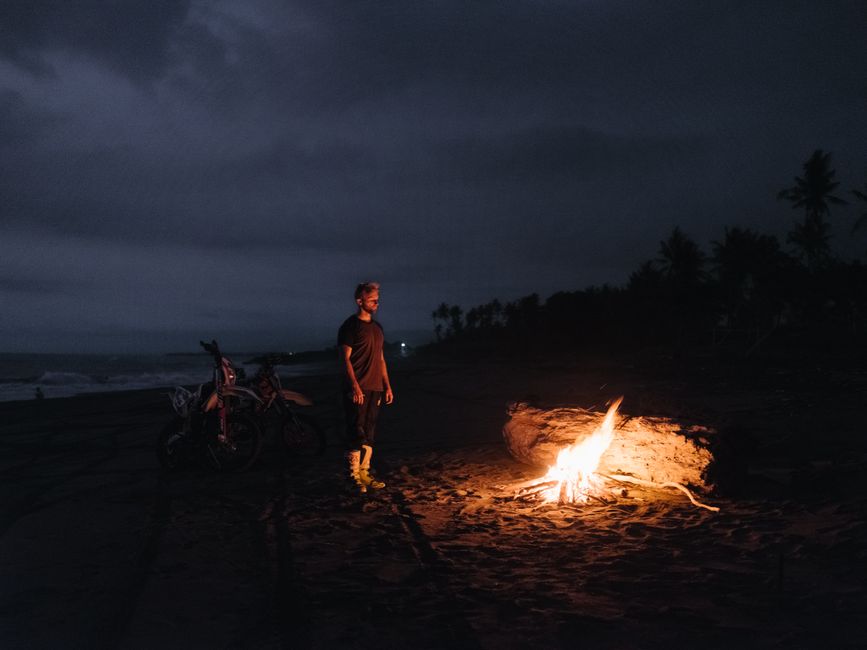
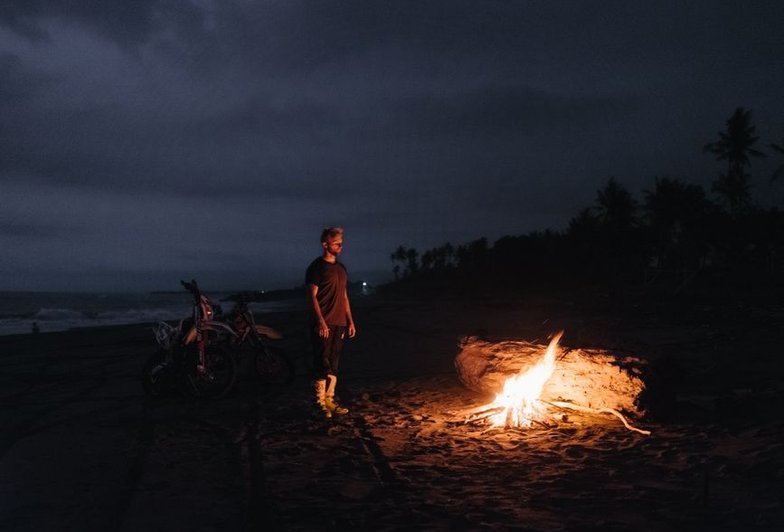
There are few things better than a fire on the beach at dusk. The sound of the waves, the smell of salt and smoke, the way the flames light up the faces of the people around you. It is one of the oldest pleasures there is, and it is one of the easiest to ruin, both for yourself and for everyone else who uses that beach.
The problem is that most people who build beach fires have never been taught how to do it responsibly. They gather driftwood, light it, enjoy the evening, and then walk away, leaving behind a pile of ash, half-burned logs, and sometimes nails or glass that were hidden in the wood. The next morning, the beach looks like a dump. This is not a small thing. It affects wildlife, other beachgoers, and the people who live nearby.
The Rules Nobody Tells You
First, check whether fires are allowed. Many beaches prohibit them entirely, especially in populated areas or during dry seasons. Others allow them only in designated fire rings. This is not bureaucracy for its own sake. It exists because a single careless fire can damage dunes, harm nesting birds, or spread into nearby vegetation. If you are unsure, ask a local or check the town website. It takes two minutes.
Second, do not burn driftwood that has been in the water for a long time. Salt-soaked wood releases toxic compounds when burned, and the smoke can be harmful to breathe. It also pops and throws sparks unpredictably. If you must use driftwood, choose pieces that are dry and have been above the tide line for a while, and avoid anything painted, treated, or covered in marine growth.
Third, keep the fire small. A beach fire does not need to be a bonfire. A modest fire in a shallow pit, fed with small pieces of wood, gives you all the warmth and light you need without scorching the sand or sending embers into the dunes. Build it below the high tide line so the tide can clean up after you, and never leave it unattended.
Fourth, and most important, leave no trace. When you are done, let the fire burn down to ash. Douse it with water, not sand, and stir the ashes until they are cold to the touch. Then take everything with you. The leftover wood. The ash. The bottle caps. The wrappers. All of it. If you brought it, you carry it out.
Why This Matters More Than You Think
Beaches are shared spaces. They belong to the people who live there, the people who visit, the birds that nest in the dunes, and the creatures that live in the sand and surf. A fire that is built and cleaned up properly leaves no mark. A fire that is not can leave damage that lasts for years.
The people who keep beaches clean are usually volunteers. They do not get paid. They do it because they love the place. When you leave a mess behind, you are not just being careless. You are making someone else's work harder, and you are contributing to the slow erosion of the thing that made you want to be there in the first place.
Build the fire. Enjoy the evening. But do it with the understanding that the beach is not yours alone. That is the whole point.







A fire on the beach is one of the great simple pleasures, but it comes with responsibilities most people never think about.
Why the first hour of a coastal day, before the crowds arrive, is worth waking up for.
Skip the resort strip and spend two days in a place where the boats actually go out.
Understanding the tide is the single most useful thing you can learn about the coast.
The beach in winter is cheaper, quieter, and in some ways better than the beach in July.