



Learning to Sail as an Adult: What Nobody Tells You
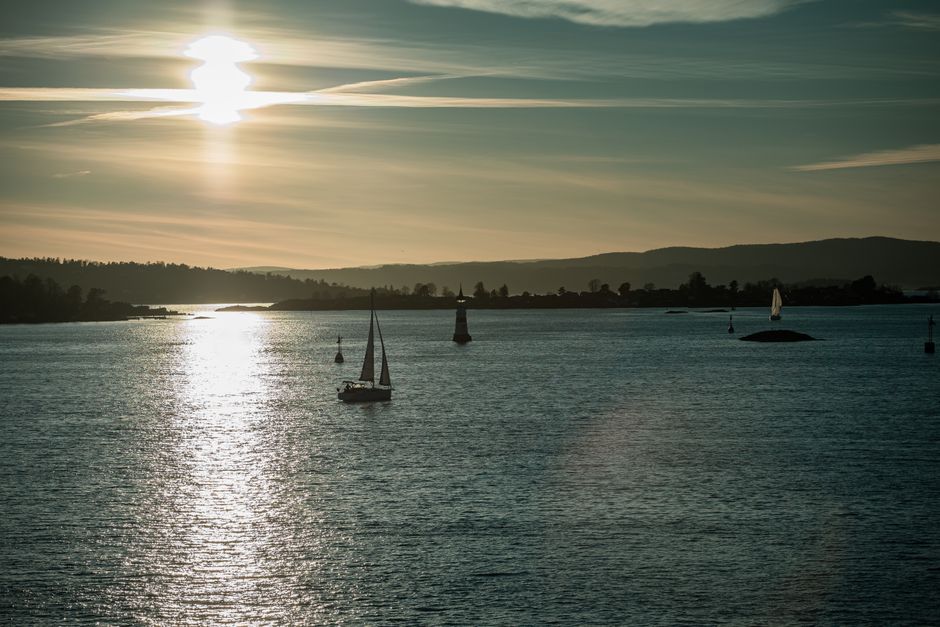
The first time I stood on the deck of a small keelboat with a tiller in my hand, I thought I understood what sailing would feel like. I had read the books. I had watched the videos. I knew that you pointed the boat, trimmed the sails, and let the wind do the work. What I did not know was that the wind rarely cooperates with your plans, and that the tiller responds in the opposite direction you instinctively expect. Within ten minutes I had managed to steer us directly into the path of a much larger boat, whose captain waved at me with an expression that was either friendly or deeply sarcastic. Probably both.
That first afternoon taught me something that no sailing course brochure ever mentions: the learning curve is not steep, but it is strange. You are not memorizing facts. You are training your body to respond to forces you cannot see. The wind is invisible. The current is invisible. The only feedback you get is the flutter of a sail, the angle of the horizon, and the way the hull hums when you finally get it right. It takes a while before any of that feels intuitive.
Start Smaller Than You Think
If you are an adult considering learning to sail, my strongest advice is to resist the urge to start on something impressive. A large boat forgives nothing. A small dinghy forgives almost everything. When you learn on a ten- or fourteen-foot boat, you feel every shift in the wind immediately. You learn what a luffing sail actually sounds like. You learn how to read the water for gusts. You also learn how to capsize and recover, which is a skill that builds more confidence than any classroom session ever could.
Many coastal towns have community sailing programs that rent small boats by the hour and offer beginner lessons on weekend mornings. These are usually staffed by retired sailors who have forgotten more about the wind than most of us will ever know. They will not coddle you. They will also not let you drown. That combination is exactly what a beginner needs.
Another thing nobody tells you: sailing is slow. Not just physically slow, but socially slow. You spend a lot of time sitting, waiting, adjusting, and watching. If you are the kind of person who needs constant stimulation, sailing will either cure you of that or drive you away from the sport entirely. There is no middle ground.
The Real Reward Is Not Speed
After a season of lessons, I still cannot claim to be a good sailor. I can raise a mainsail without tangling it. I can tack without losing all my momentum. I can read a weather forecast and decide, most of the time, whether it is a good day to go out. Those small competencies feel enormous because I earned each one the hard way, usually by doing it wrong first.
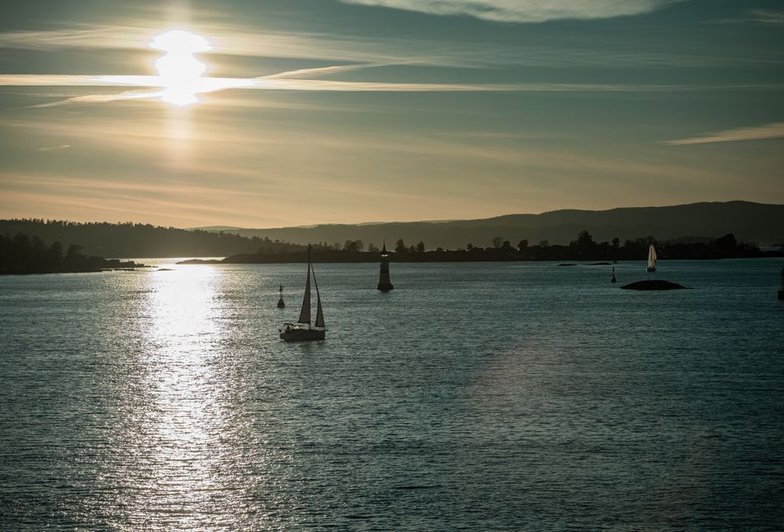
What surprised me most is how much I came to enjoy the parts that have nothing to do with skill. The sound of water against the hull. The way the coastline looks from a few hundred yards offshore. The unexpected quiet when you cut the engine and let the wind take over. Sailing did not make me a sailor. It made me a better noticer. That may be the real reason people keep coming back to it, season after season, long after the confusion fades.







Sailing as a grown-up beginner is less about mastering the wind and more about getting comfortable with being confused for a while.
The seafood worth traveling for is usually found down a gravel lane, past a boatyard, behind a building that looks closed.
Long before nautical charts, people read harbors by watching the water, the birds, and the way boats sit at anchor.
When the weather turns, the coast shows a different face, and some of the best moments happen under gray skies.
A fire on the beach is one of the great simple pleasures, but it comes with responsibilities most people never think about.