



The Case for the Off-Season Coast
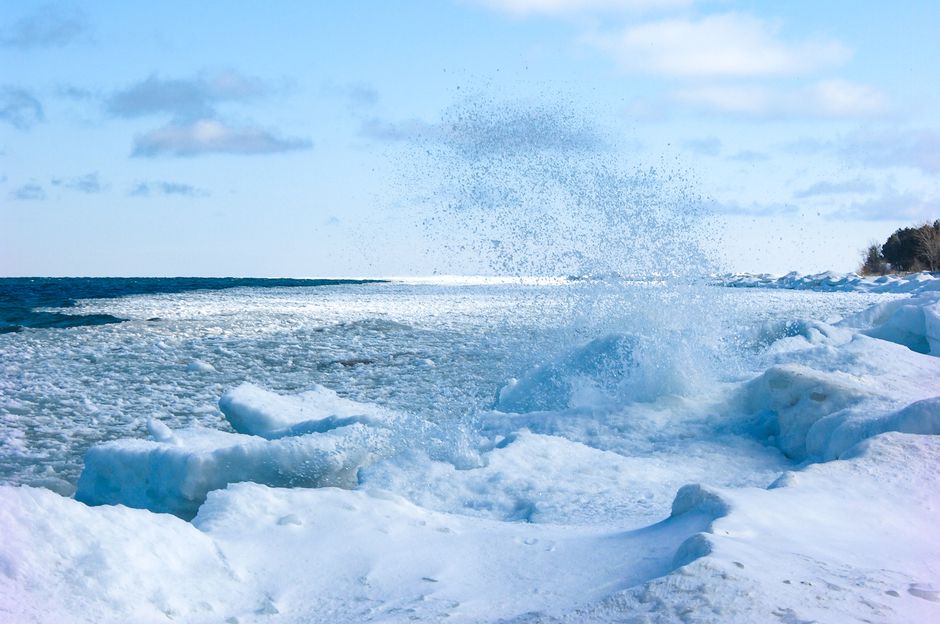
There is a particular kind of coastal town that exists in two states. In summer, it is loud and full and expensive, with every parking spot taken and every restaurant on a wait. In winter, it is quiet, and the same restaurants are half empty, and the person behind the counter has time to talk. Both versions are worth knowing, but the off-season version is the one that tends to stay with me.
I have spent enough time on the coast in the colder months to have formed a strong opinion about it. The off-season is not a compromise. It is a different experience, and for some purposes, a better one.
What You Gain When the Crowds Leave
The first gain is space. A beach that felt cramped in August feels endless in February. You can walk for an hour and see only a handful of other people, most of them locals walking their dogs. The sense of solitude is not loneliness; it is a kind of quiet that is hard to find anywhere else.
The second gain is price. Accommodation in the off-season can cost a fraction of what it does in peak summer, and the same is true for many activities and meals. A trip that would be out of reach in July becomes possible in November. If you are willing to accept cooler weather and shorter days, the coast becomes one of the most affordable destinations around.
The third gain is atmosphere. The off-season coast has a mood that the summer coast does not. The light is lower and softer. The air is sharper. Storms roll in and out with a drama that summer rarely provides. A walk on the beach after a front has passed, with the wind still up and the sky still moving, is an experience that no sunny July afternoon can duplicate.
How to Plan Around the Cold
The off-season coast rewards preparation. A few practical adjustments make all the difference.
Dress in layers, and make sure the outer layer is actually windproof. Coastal wind in winter is not a minor annoyance; it is the thing that determines whether you enjoy your walk or endure it. A good hat and gloves are not optional.
Plan your days around the weather rather than fighting it. If a storm is coming, use that day for the indoor things: the local museum, the used bookstore, the long lunch at the pub. Save the beach walks for the clear windows between fronts.
Check what is actually open before you go. Some seasonal businesses close entirely in the off-season, and there is nothing more disappointing than arriving at a town where the one restaurant you wanted to try is dark. A quick phone call or a look at a local Facebook page will save you a wasted trip.
Finally, embrace the early dark. The sun sets early in winter, and that is not a problem to be solved. It is an excuse to be back at your rental by four, with a fire going and something warm in a mug, watching the last of the light fade over the water. That, too, is the coast.


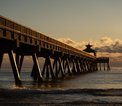



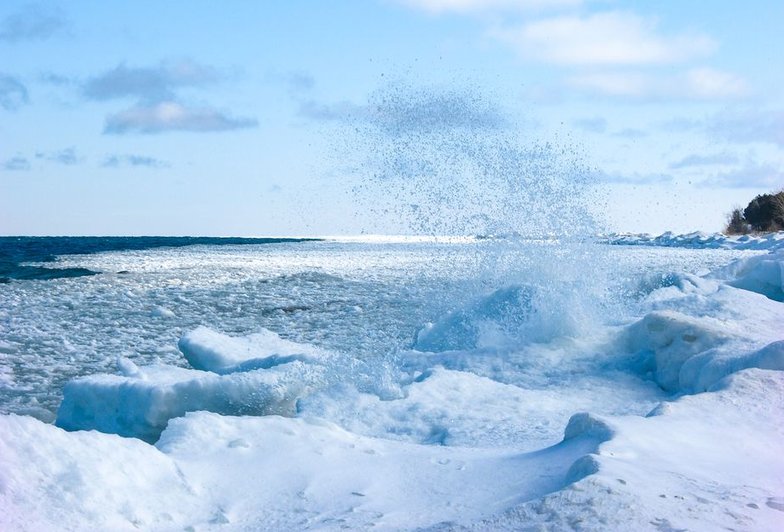
The beach in winter is cheaper, quieter, and in some ways better than the beach in July.
A practical packing philosophy for a day by the water, based on years of carrying too much.
Sailing as a grown-up beginner is less about mastering the wind and more about getting comfortable with being confused for a while.
The seafood worth traveling for is usually found down a gravel lane, past a boatyard, behind a building that looks closed.
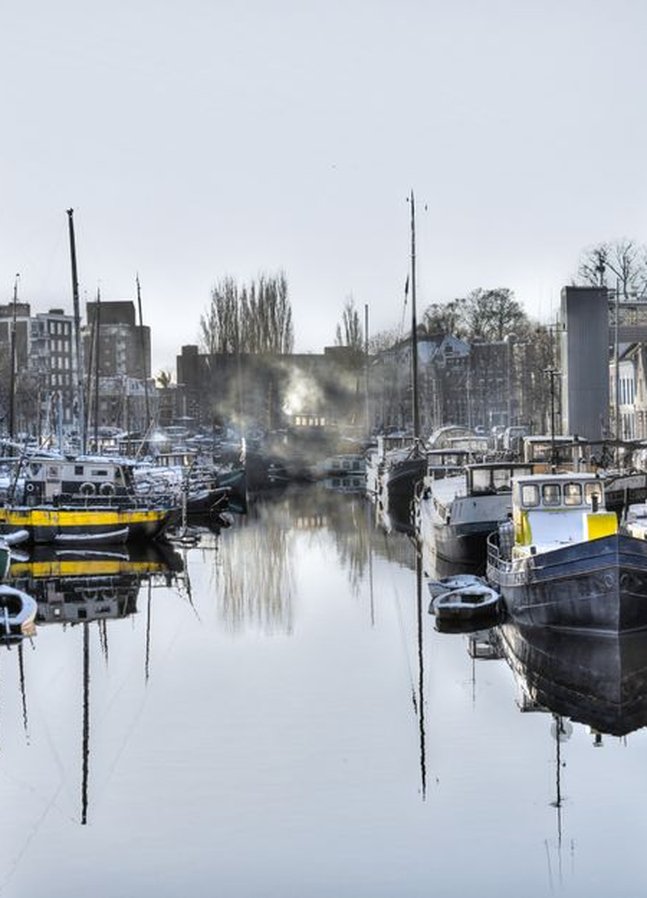
Long before nautical charts, people read harbors by watching the water, the birds, and the way boats sit at anchor.