


How to Read a Harbor Without a Chart
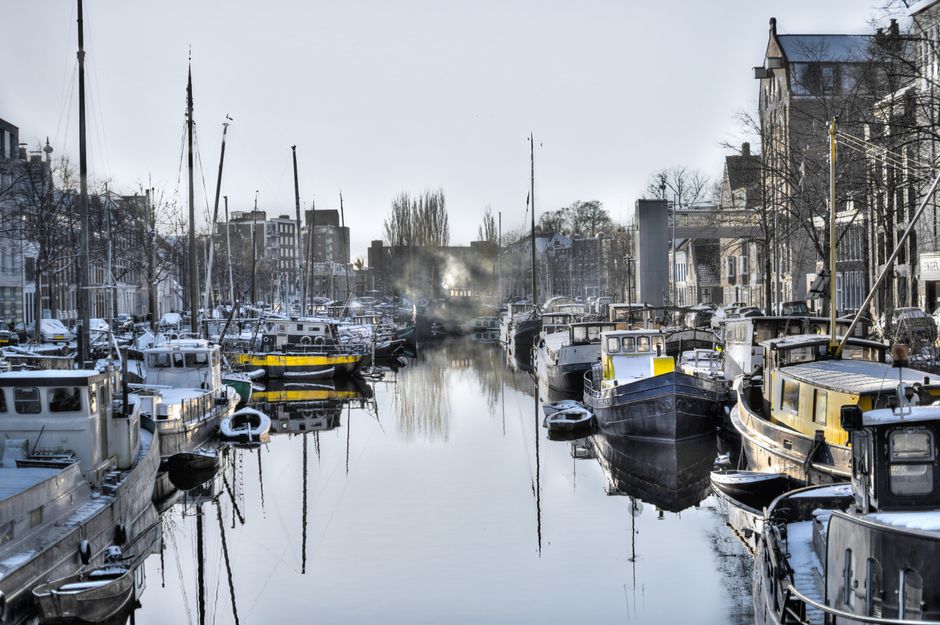
There is a particular kind of knowledge that lives only in coastal towns, passed down not through books but through years of standing on the same dock and watching. Old fishermen can look at a harbor and tell you where the channel runs, where the shoals shift, and where the bottom is soft mud versus hard sand. They do not need instruments. They read the water the way a farmer reads soil.
You can learn some of this too, even if you did not grow up on the coast. It starts with slowing down and paying attention to things you probably ignore. The water is not uniform. It has patterns, colors, and textures that tell you what is underneath.
What the Water Is Telling You
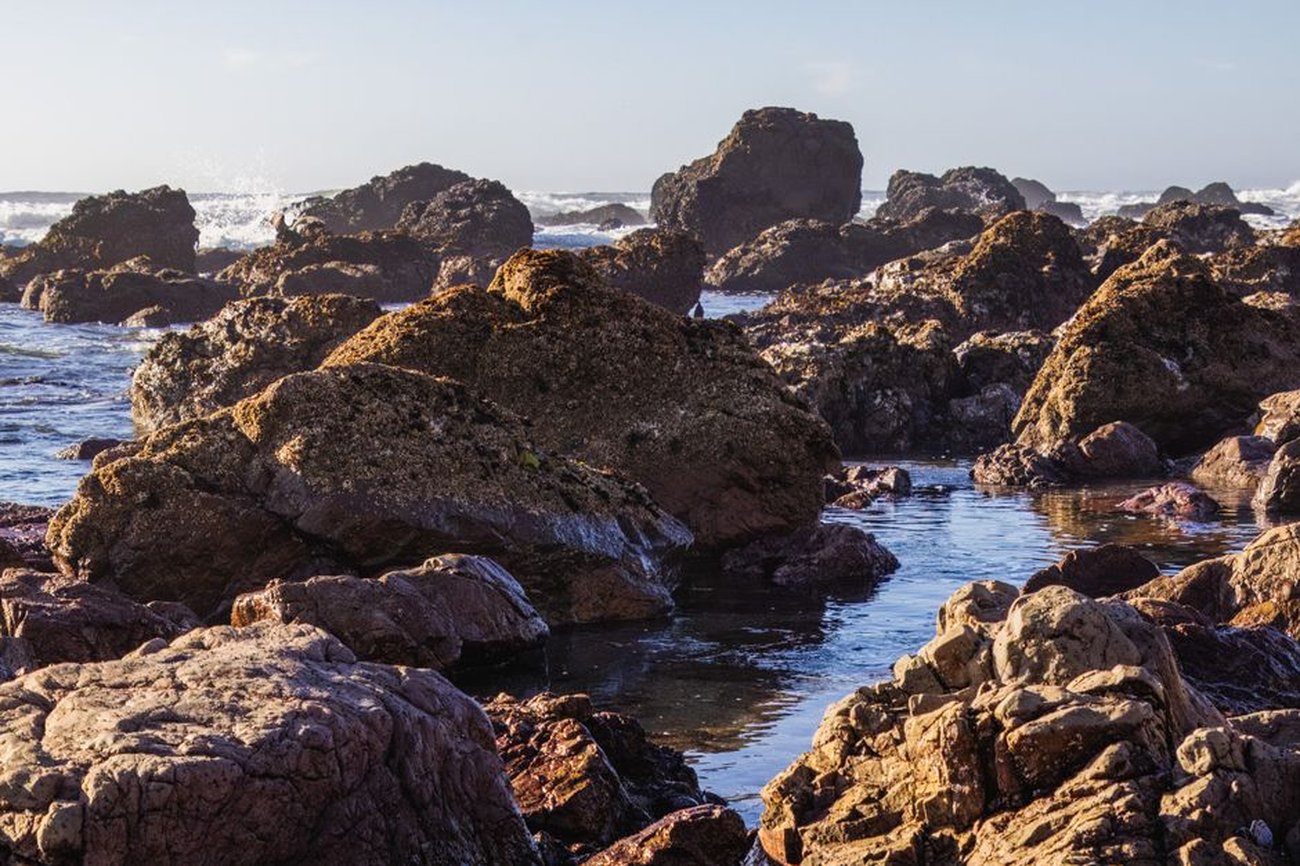
The first thing to notice is color. Deep water tends to be darker and more uniform. Shallow water is lighter, often greener or more brown, depending on the bottom. If you see a patch of water that looks different from the water around it, that is information. It might be a sandbar, a weed bed, or a channel edge. Watch how that patch behaves as the tide moves. Over a few days, you will start to see the shape of the bottom without ever looking at a chart.
The second thing to notice is texture. Wind creates ripples, but current creates lines. Look for long, smooth streaks on the surface, often with small debris or foam collected along them. These are current lines, and they usually mark the edges of channels or the boundaries between different water masses. Boats that anchor near these lines tend to swing differently than boats anchored in still water, which is another clue.
The third thing to notice is birds. Gulls and terns feed where baitfish gather, and baitfish gather where currents concentrate food. A flock of birds working a specific patch of water is not random. It is a sign of structure below, often a ledge or a drop-off. If you see the same flock in the same area on multiple days, you have found something worth remembering.
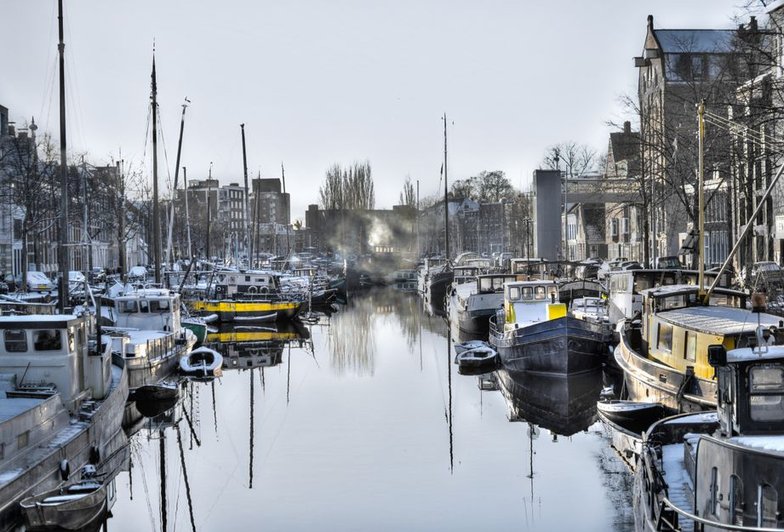
Finally, watch the boats. Local boats do not wander. They follow the same paths in and out of the harbor because those paths are safe. If you see a line of boats all turning at roughly the same spot, there is a reason. Look at the water there and you will usually find a channel marker, a depth change, or a current line that explains it.
Why This Still Matters
Modern electronics have made navigation easier and safer, and there is no reason to romanticize the days before depth sounders and GPS. But reading a harbor by eye is still a useful skill, and not just as a backup. It connects you to the place in a way that a screen cannot. It teaches you to look at the water as a living thing rather than a flat surface to cross.
The next time you are near a harbor, find a bench or a dock and sit for an hour. Watch the water. Watch the birds. Watch the boats. You will not learn everything in one afternoon, but you will start to see things you missed before. That is how it begins.






Long before nautical charts, people read harbors by watching the water, the birds, and the way boats sit at anchor.
When the weather turns, the coast shows a different face, and some of the best moments happen under gray skies.
A fire on the beach is one of the great simple pleasures, but it comes with responsibilities most people never think about.
Why the first hour of a coastal day, before the crowds arrive, is worth waking up for.
Skip the resort strip and spend two days in a place where the boats actually go out.