



Reading the Tides: A Beginner's Guide
The tide is the most reliable thing on the coast. It comes in, it goes out, and it does so on a schedule that has been running for longer than anyone has been counting. And yet, most visitors ignore it entirely, planning their beach day around their own convenience rather than around the water. This is a mistake, and it is an easy one to fix.
Learning to read the tide does not require a marine science degree. It requires a tide table, a little patience, and the willingness to notice what is actually happening in front of you. Once you have it, the entire coast opens up in a way it never did before.
The Basics, Without the Jargon
Most coastlines experience two high tides and two low tides roughly every 24 hours, though the exact timing shifts each day. The tide table for your area, available at bait shops, harbors, and online, will tell you when the highs and lows are expected. That is the starting point.
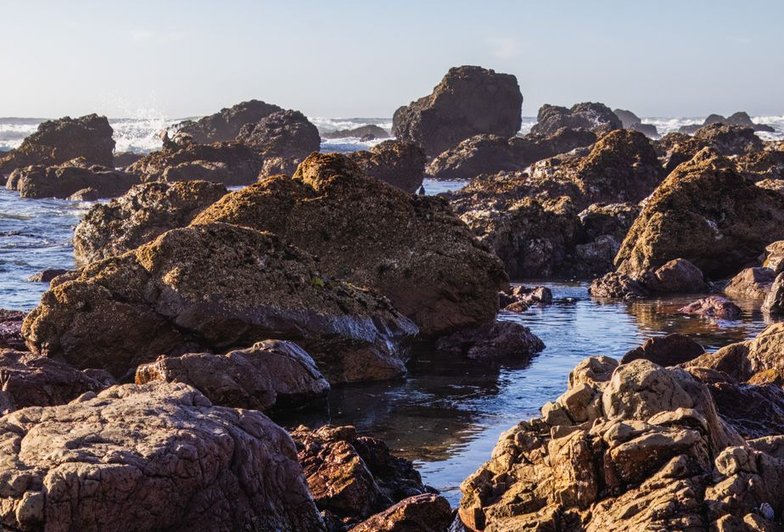
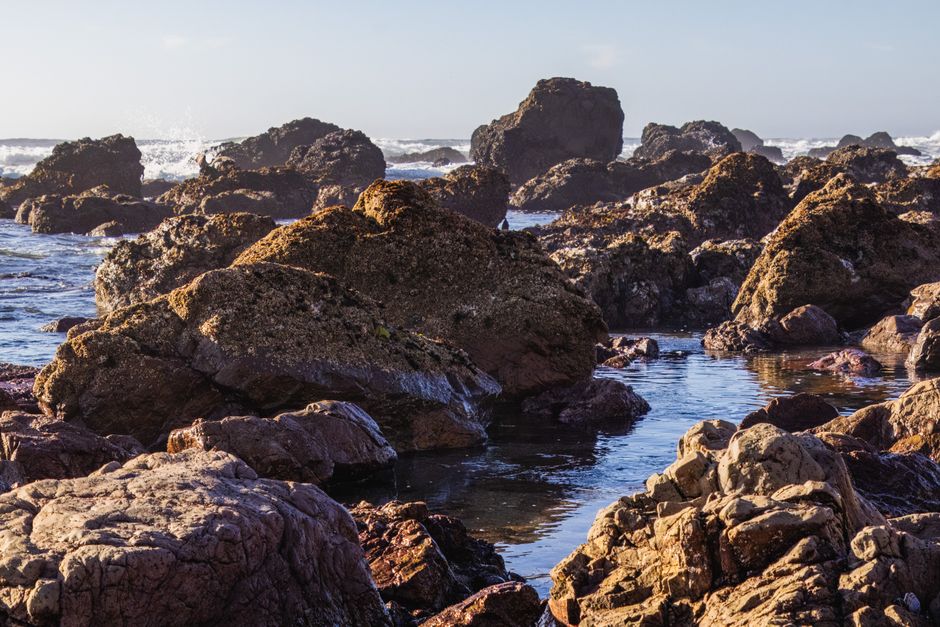
What the table does not tell you is what the tide will actually look like on your particular stretch of shore. A low tide on a gently sloping beach might expose a hundred yards of sand. A low tide on a rocky coast might reveal a whole world of tide pools that was underwater an hour before. The table gives you the timing; the land gives you the character.
The most useful habit is to visit the same spot at different tide stages. Go at high tide and note where the water reaches. Go at low tide and see what is revealed. Within a few visits, you will start to understand the shape of the place, and you will start to plan around it rather than against it.
Why It Matters in Practice
For swimmers, the tide matters for safety. A beach that is calm at low tide can have a strong current at high tide, and a cove that is easy to enter can become difficult to exit. Knowing the direction and speed of the change is not optional; it is basic preparation.
For beachcombers, the tide is the whole game. The best finds, whether sea glass, shells, or the occasional piece of driftwood worth carrying home, tend to appear just after the tide has turned and started to recede. The water has done the work of moving things around; your job is to walk the edge and see what it left behind.
For anyone who wants to explore a rocky shore, low tide is the only time that makes sense. Tide pools are temporary worlds, and they are only visible for a few hours on either side of the low. Go at the right time, walk carefully, and put everything back exactly where you found it.
For photographers, the tide changes the composition of every shot. A rock that is a small island at high tide becomes a platform at low tide. A channel that is impassable at high water becomes a path. The same beach, at two different hours, is two different places.
The tide is not an inconvenience. It is the coast's clock, and once you can read it, you stop being a visitor and start being someone who knows where they are.





Understanding the tide is the single most useful thing you can learn about the coast.
The beach in winter is cheaper, quieter, and in some ways better than the beach in July.
A practical packing philosophy for a day by the water, based on years of carrying too much.
Sailing as a grown-up beginner is less about mastering the wind and more about getting comfortable with being confused for a while.
The seafood worth traveling for is usually found down a gravel lane, past a boatyard, behind a building that looks closed.