





Inside the iGaming World: Slots, Poker & Smart Betting
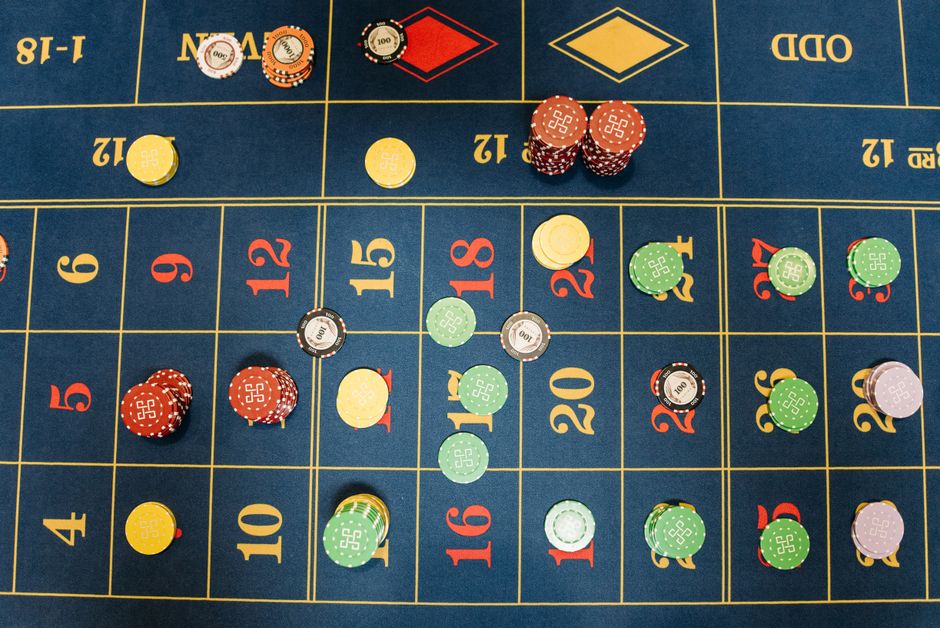
The first time you watch a high-stakes poker stream at 2 a.m., something clicks. The cards fly, the chips clack, and a guy in a hoodie turns a $200 satellite ticket into six figures. That pull — the mix of math, nerve, and dumb luck — is exactly why iGaming has exploded into a global industry worth well over $100 billion a year, according to most published market estimates. But there's a gap between the fantasy and the reality of online casino, betting, slots, and poker. Let's close it.
Whether you're a total newcomer or you've already got a betting account or two gathering digital dust, this guide breaks down how the different verticals actually work, where the real edges hide, and how to keep your bankroll intact long enough to enjoy the ride.
The Four Pillars of iGaming
"iGaming" is an umbrella term, and too many people conflate its pieces. Each vertical has its own rules, math, and emotional traps:
- Casino games: Table games like blackjack, roulette, and baccarat. Skill influences outcomes more here than anywhere else, though house edge never disappears.
- Slots: Random Number Generator (RNG) driven. No skill. Pure volatility and return-to-player (RTP) math.
- Sportsbook (betting): You're betting against a line set by oddsmakers, not a machine. Knowledge of a sport, injury reports, and line movement matters.
- Poker: The only major vertical where you play against other humans, not the house. The rake is the casino's cut.
That last distinction is huge. In slots, the casino takes its edge on every spin. In poker, if you're better than your table, you can be the one profiting — minus the rake. For practical tips, check out สล็อต.
Slots: Volatility Is the Whole Story
Modern video slots are engineering marvels disguised as fruit machines. A single game can run on hundreds of thousands of lines of code, and the payout behavior comes down to two numbers: RTP and volatility.
RTP is the theoretical percentage returned to players over millions of spins. A slot with a 96% RTP keeps 4% on average — but that average only materializes over an enormous sample. In a 200-spin session, variance rules everything.
Volatility tells you how the slot distributes its wins:
- Low volatility: frequent small wins, gentler bankroll swings. Great for longer sessions with a small budget.
- Medium volatility: a balance — some dry spells, occasional solid hits.
- High volatility: long dead spins, then potentially massive multipliers. Bonanza-style Megaways games are the classic example.
Here's a concrete tip: if you have a $50 bankroll and want a session to last an hour, a high-volatility slot is the wrong pick. You'll likely bust before the first bonus. Choose low or medium volatility and bet 0.5% to 1% of your roll per spin. That's $0.25 to $0.50 on a $50 roll. Boring? Yes. Effective? Absolutely.
Also check RTP by game, not by provider. The same studio can ship one slot at 96.5% and another at 94%. Over thousands of spins, that gap is not trivial.
Poker: Where the Real Edge Lives
If slots are a lottery ticket with entertainment value, poker is a skill game with a gambling problem. The house doesn't care who wins — it just rakes the pot. That means your profit comes from other players' mistakes: calling too much, bluffing too rarely, overvaluing top pair.
Three concepts separate winning players from the crowd:
- Position: Acting last gives you information. A decent hand in the cutoff or on the button is worth far more than the same hand in early position.
- Bankroll management: A common rule for cash games is 20 to 40 buy-ins for your stake. Playing $1/$2 with a $200 roll is a recipe for disaster — one bad session wipes you out.
- Range thinking: Stop asking "what does he have?" and start asking "what hands would he play this way?" That shift alone moves you ahead of most recreational players.
Online poker is also faster and tougher than live. Multi-tabling grinds out volume, but it hides leaks. New players should single-table and review hand histories weekly. Track your win rate in big blinds per 100 hands (bb/100). Anything above zero over 20,000 hands is respectable at micro stakes.
Betting: Beating the Closing Line
Sports betting feels simpler than poker because there's no bluffing. You pick a side, the game plays out, you win or lose. The trap is believing your sports knowledge equals an edge.
Sportsbooks employ quants and use sharp money to set lines. To profit long term, you need to consistently beat the closing line — the final odds before kickoff. If you regularly get +150 on a team that closes at +130, you're finding value, even if that specific bet loses.
Practical angles that work better than gut picks:
- Shop lines across at least three books. A half-point in NBA spreads or a few cents in soccer moneylines compounds fast.
- Specialize. Pick two leagues or one sport and learn the injury, rest, and travel patterns cold.
- Track every bet with stake, odds, and closing line. Without records, you're guessing whether you're actually good.
- Take welcome bonuses and free bets, but read the rollover terms. A "$500 bonus" with 10x wagering at minimum odds of 1.80 is very different from a $500 bonus with 40x rollover.
Bankroll rules matter here too. Flat betting 1% to 2% of your roll per play keeps you in the game through losing streaks, which are mathematically guaranteed to happen even to winners.
Casino Table Games Worth Your Time
If you want the best odds in the house, look at blackjack and baccarat — specifically, the strategies that reduce the house edge to under 1%.
Blackjack played with basic strategy (a printed chart that tells you the mathematically correct move for every hand combination) drops the house edge to roughly 0.5%. That's dramatically better than the 2% to 8% you'll find in most slots. Baccarat is even simpler: betting the banker carries about a 1.06% edge and requires no decisions beyond picking a side. Roulette, by contrast, gives the house 2.7% on a European wheel and 5.26% on an American one — a free lesson in checking the table before you sit down.
And no, "systems" that double your bet after losses (Martingale) don't beat negative expectation. They just trade many small wins for one catastrophic loss. Table limits exist partly to prevent that illusion from lasting long.
The Bottom Line for a Smarter Player
iGaming rewards discipline far more than it rewards luck-chasing. The players who stick around aren't the ones hitting 5,000x slot jackpots; they're the ones treating every vertical as its own game with its own math. Slots are entertainment with a known cost. Poker is a competitive pursuit where study pays. Betting is a market you can occasionally outsmart. Table games are about minimizing the bleed.
Pick your budget before you log in, never chase losses, and let the numbers — not the adrenaline — decide when to stop. That mindset won't guarantee wins, but it's the only one that keeps losing streaks from becoming a lifestyle.







Why the first hour of a coastal day, before the crowds arrive, is worth waking up for.
Skip the resort strip and spend two days in a place where the boats actually go out.
Understanding the tide is the single most useful thing you can learn about the coast.
The beach in winter is cheaper, quieter, and in some ways better than the beach in July.
A practical packing philosophy for a day by the water, based on years of carrying too much.